

Navigating the 2026 Security & Vision Market: Industrial vs. Consumer Camera Trends
Mar 15, 2026
In an increasingly connected world, imaging technology has evolved from simple "eyes" into sophisticated data-gathering sensors. Whether it is ensuring the precision of an automated assembly line or providing peace of mind for a smart home, the demand for high-performance camera solutions is at an all-time high.
For businesses looking to integrate or upgrade their optical systems, understanding the distinction-and the growing convergence-between Industrial-Grade and Consumer-Grade cameras is essential.
1. Industrial-Grade Cameras: Precision and Durability
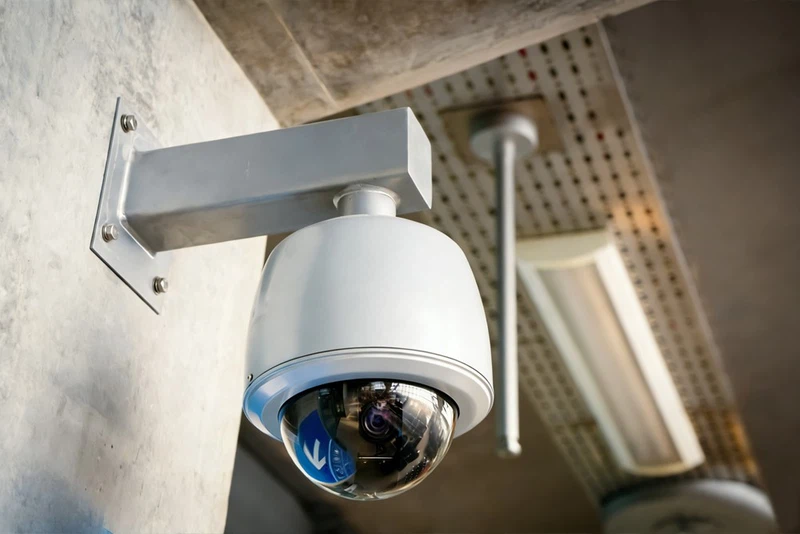
Industrial cameras are the backbone of modern automation and quality control. Unlike standard cameras, these are designed to operate in harsh environments while delivering uncompromised data accuracy.
- Reliability in Extreme Conditions: Industrial units are often built with ruggedized housings to withstand vibrations, dust, and high temperatures.
- High-Speed Data Transmission: Utilizing interfaces like GigE Vision or USB 3.0, these cameras capture rapid movements on production lines without motion blur.
- Longevity and Consistency: Industrial components are selected for long-term availability, ensuring that a manufacturing setup can be replicated or repaired for years without needing a total system redesign.
2. Consumer-Grade Cameras: Intelligence and Connectivity
The consumer market focuses on user experience, ease of integration, and "smart" features. The rise of the Internet of Things (IoT) has transformed these devices into proactive security assistants.
- AI-Driven Analytics: Modern consumer cameras now include onboard AI for human detection, facial recognition, and pet monitoring.
- Seamless Integration: With WiFi and Cloud connectivity, users can access high-definition feeds from anywhere in the world via smartphone apps.
- Cost-Efficiency: High-volume production allows consumer cameras to offer impressive resolutions (4K and beyond) at a highly accessible price point for small businesses and residential use.
3. The Convergence: Where Industrial Power Meets Smart Tech
We are currently seeing a "hybrid" trend. Industrial sectors are adopting the AI and user-friendly interfaces of consumer tech, while high-end consumer security systems are adopting the robust sensors and low-light capabilities previously reserved for factories.
Key technical breakthroughs driving this sector include:
- Edge Computing: Processing data directly on the camera to reduce latency.
- Advanced Image Sensors: Enhanced sensitivity for 24/7 monitoring in near-total darkness.
- Global Shutter Technology: Eliminating rolling shutter distortion in high-speed environments.
Choosing the Right Partner for Your Vision Needs
Selecting the right camera involves more than just picking a resolution. It requires a deep understanding of PCBA (Printed Circuit Board Assembly) quality, sensor integration, and long-term hardware stability.
As a leader in electronic manufacturing and controller development, we specialize in delivering high-standard camera modules that meet rigorous global certifications, including ISO 9001 and IATF 16949. From industrial inspection to smart home security, our focus remains on precision, quality, and innovation.


